Most hotel restaurant redesigns start with a mood board. Erika Baker started with a building permit
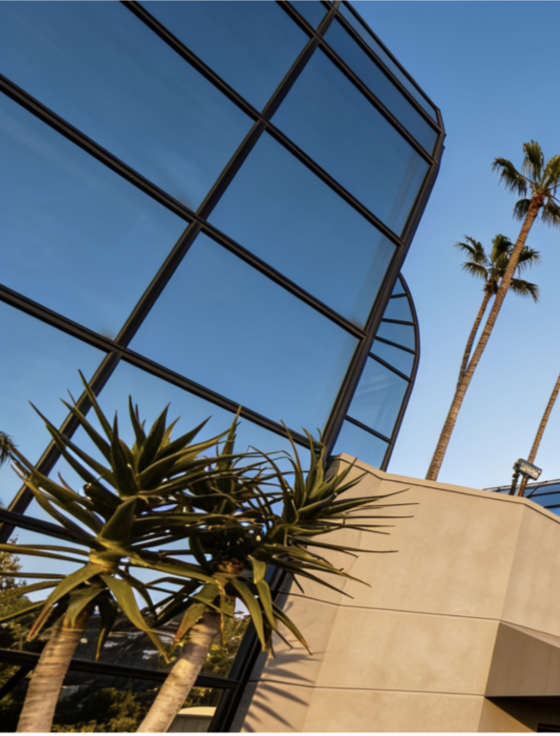
When Erika, creative director and hospitality designer, began reimagining Cafe Sierra at Hilton Universal City/Los Angeles, the first thing she did was go backward, toward the building itself — who designed it, when, and what had been buried beneath decades of updates.
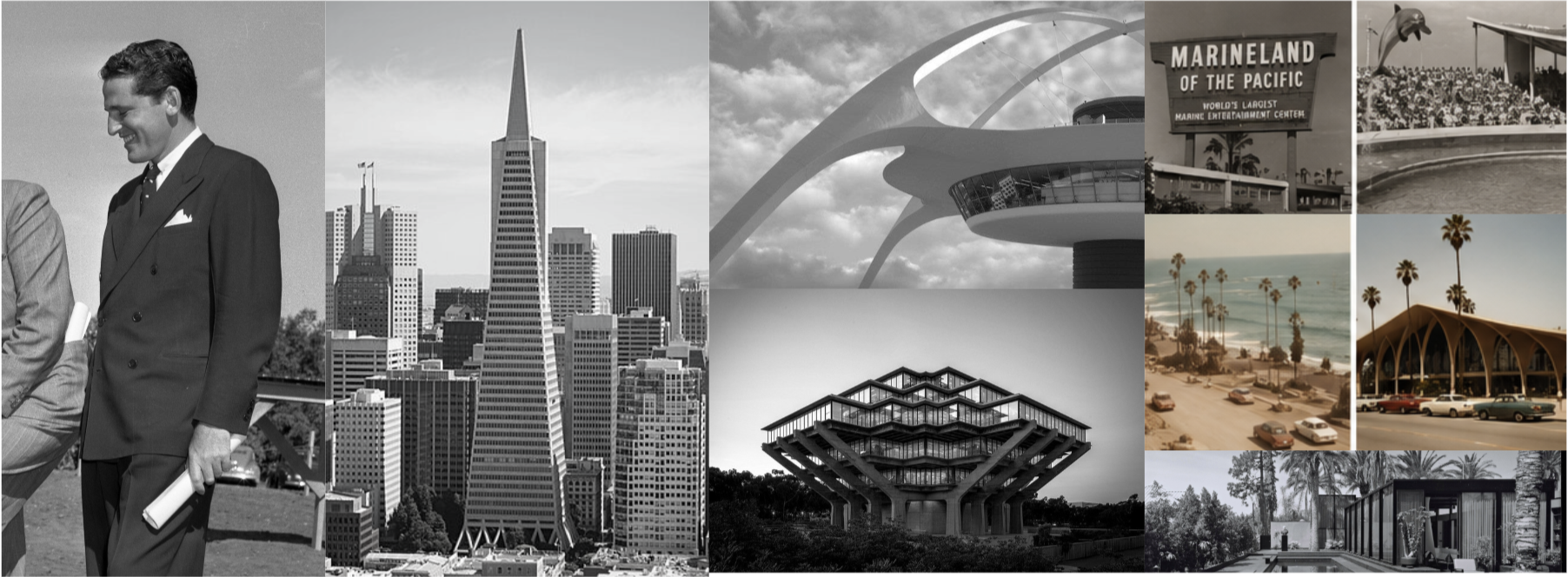
That research led to Arthur Golding, the architect behind the hotel, and from Golding to the firm where he had worked: the office of William Pereira.
Pereira is one of the defining figures of mid-century California architecture, a designer whose buildings shaped the way Southern California looked and felt during an era when the region was still inventing its own identity. His projects ranged from university campuses to corporate towers to, notably, Marineland of the Pacific, the oceanarium on the Palos Verdes Peninsula that predated Disneyland by a year.
The connection was not obvious. It had to be found. But once Erika traced the line from Golding to Pereira to Marineland, the story of what this restaurant could become started to take shape.
The Name Came First
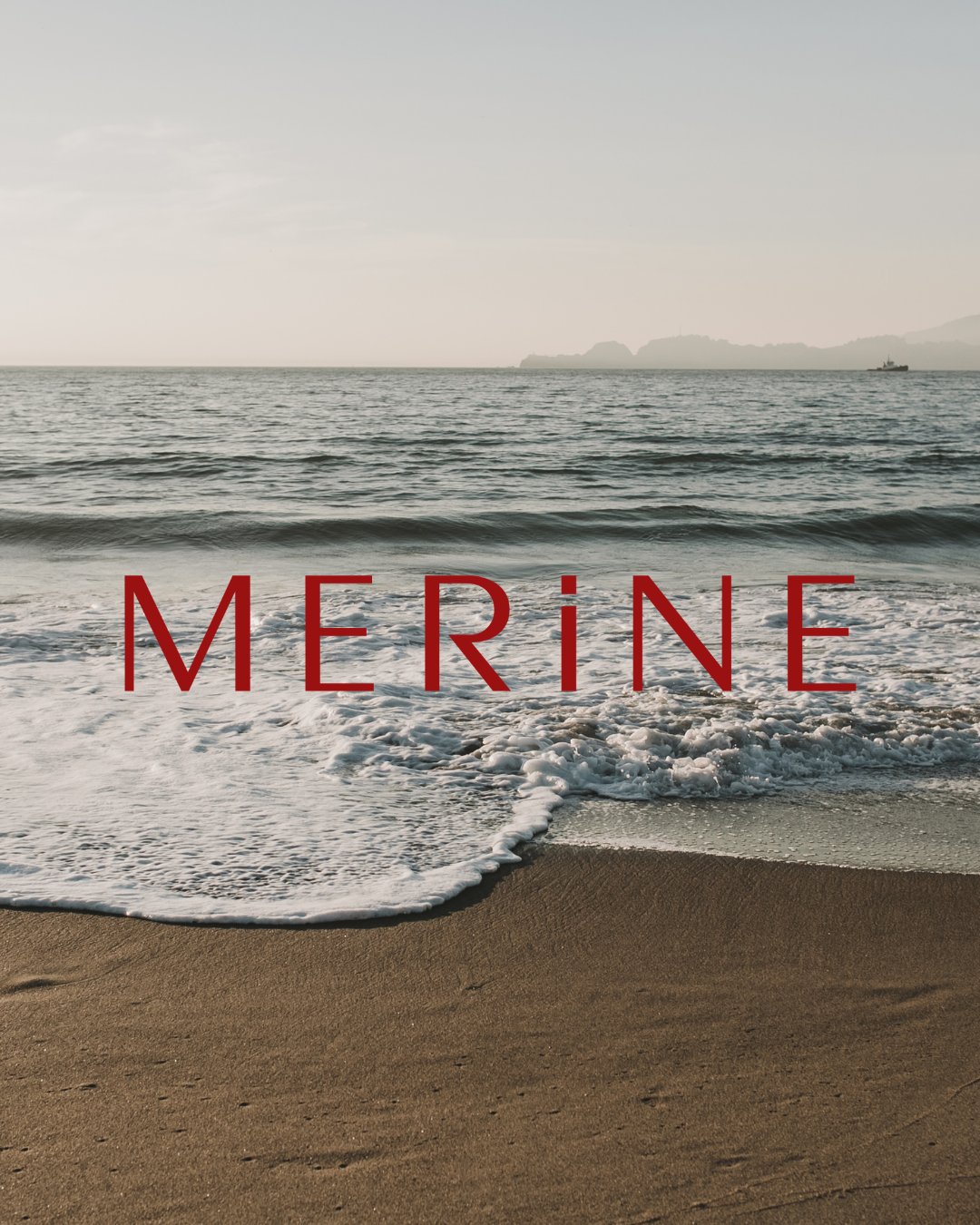
Normally, restaurant start with a concept, menu, or an operational direction and work their way toward a name. MERiNE happened the other way around. Erika knew the name before the design began.
Thinking about Marineland and the coast and the French word mer, the word MERiNE arrived almost immediately. She could see it and hear it before a single material had been selected or a single piece of furniture had been placed.
The name needed to feel fresh but familiar, modern but not trendy, feminine without being delicate, and it needed to connect to the ocean without sounding like a seafood restaurant that would put an anchor on the wall. It also had to carry a subtle link to the property's architectural history without turning that history into the concept itself.
From there, the design followed the feeling the name created — something warm and coastal that doesn't take itself too seriously. MERiNE became less of a label applied to a finished space and more of a compass that pointed every subsequent decision in the same direction.
Designing With What's Already There
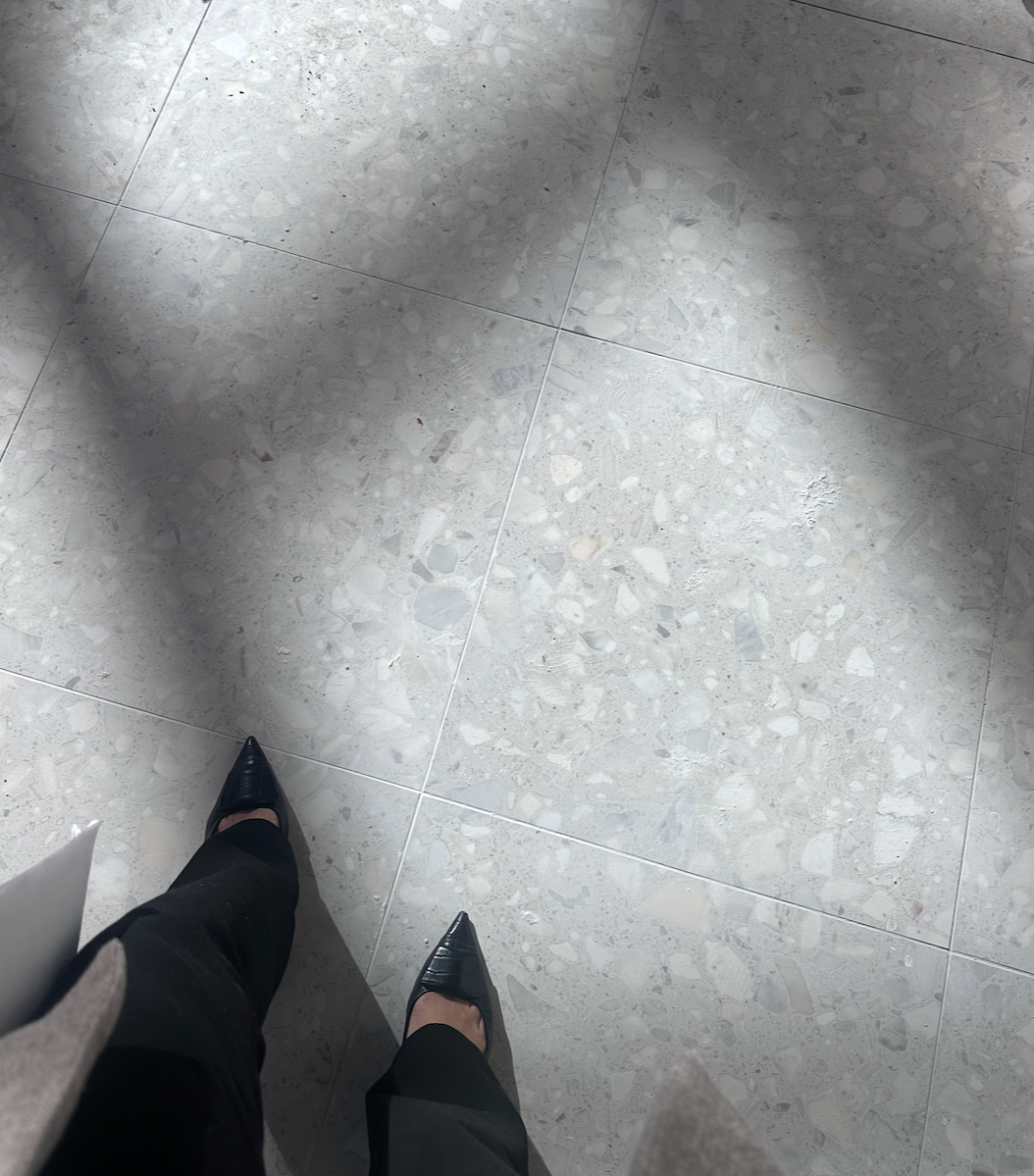
One of the challenges of redesigning an existing restaurant is deciding what to keep. The instinct is usually to start fresh, tear everything back to the walls, and build the new concept from nothing. Erika went the other direction.
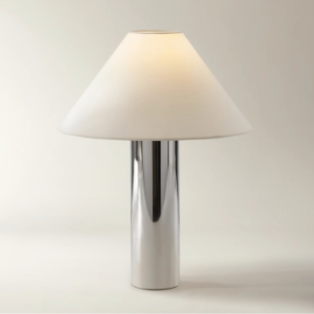
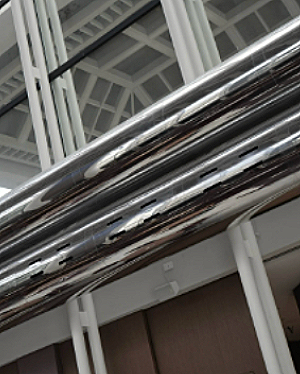
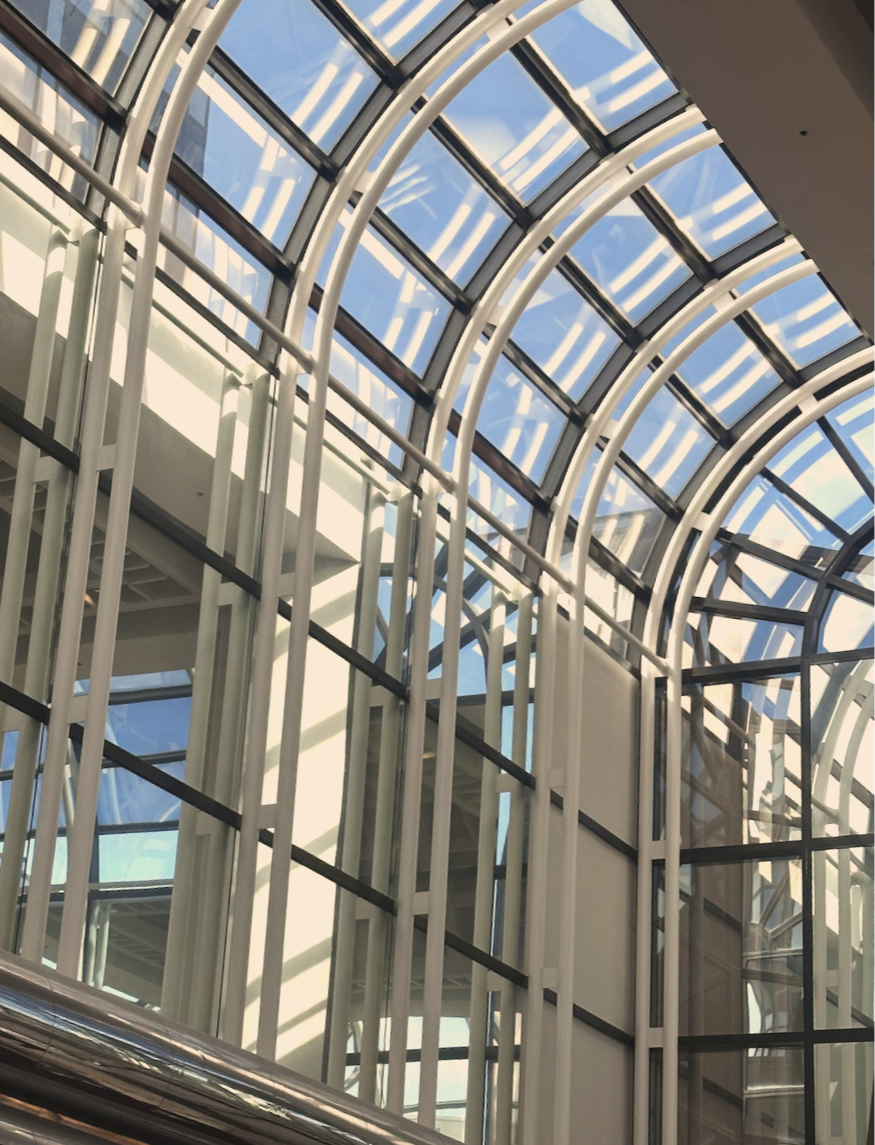
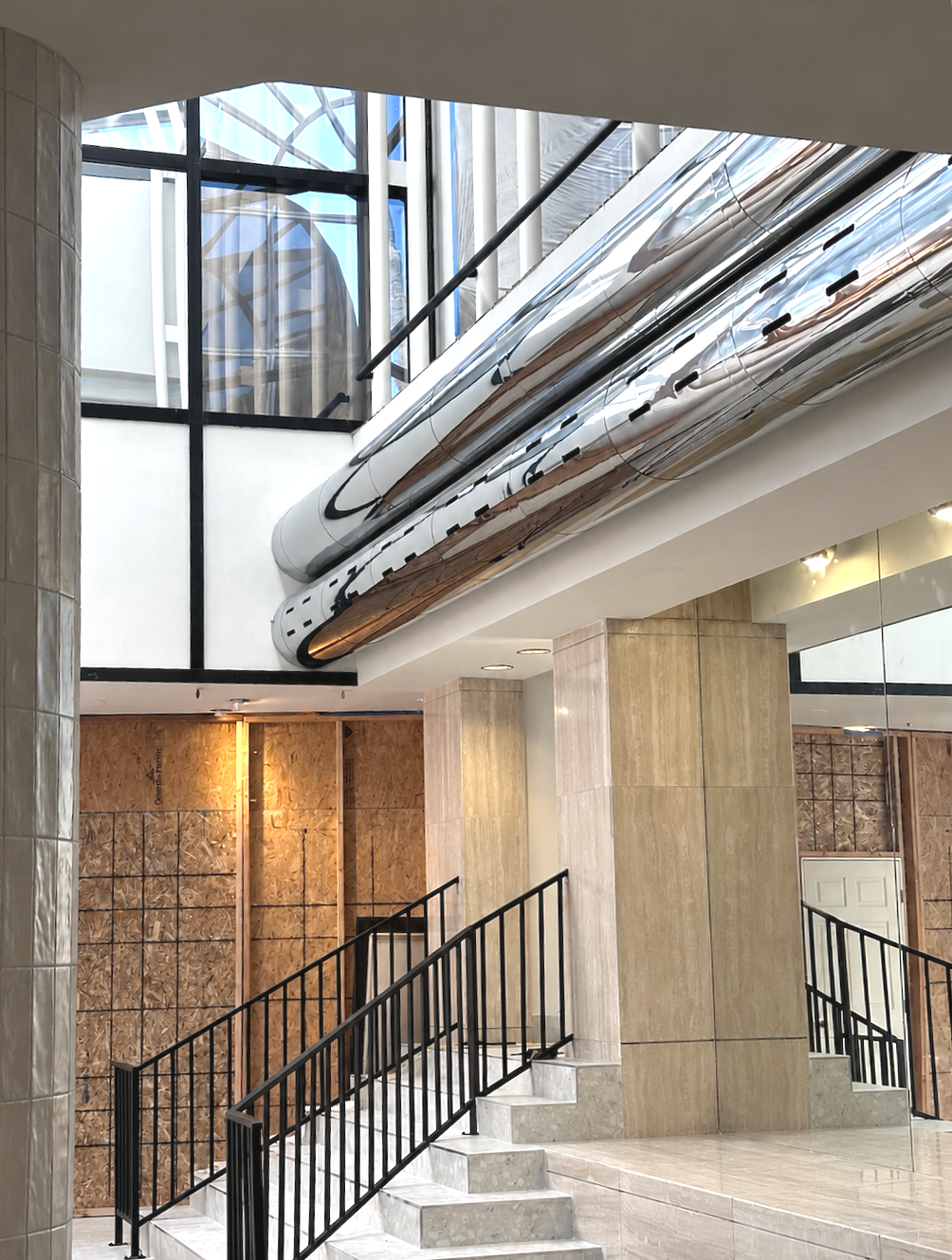
The dining room at Cafe Sierra has a set of silver-toned architectural tubes running along its perimeter. They are part of the original structure, the kind of element most designers would cover up or work around. Erika kept them. More than that, she let them inform the material palette for the rest of the room. Those cool, reflective finishes now echo through polished silver table lamps and decorative accents throughout the space. The tubes went from being a constraint to being a design signature.
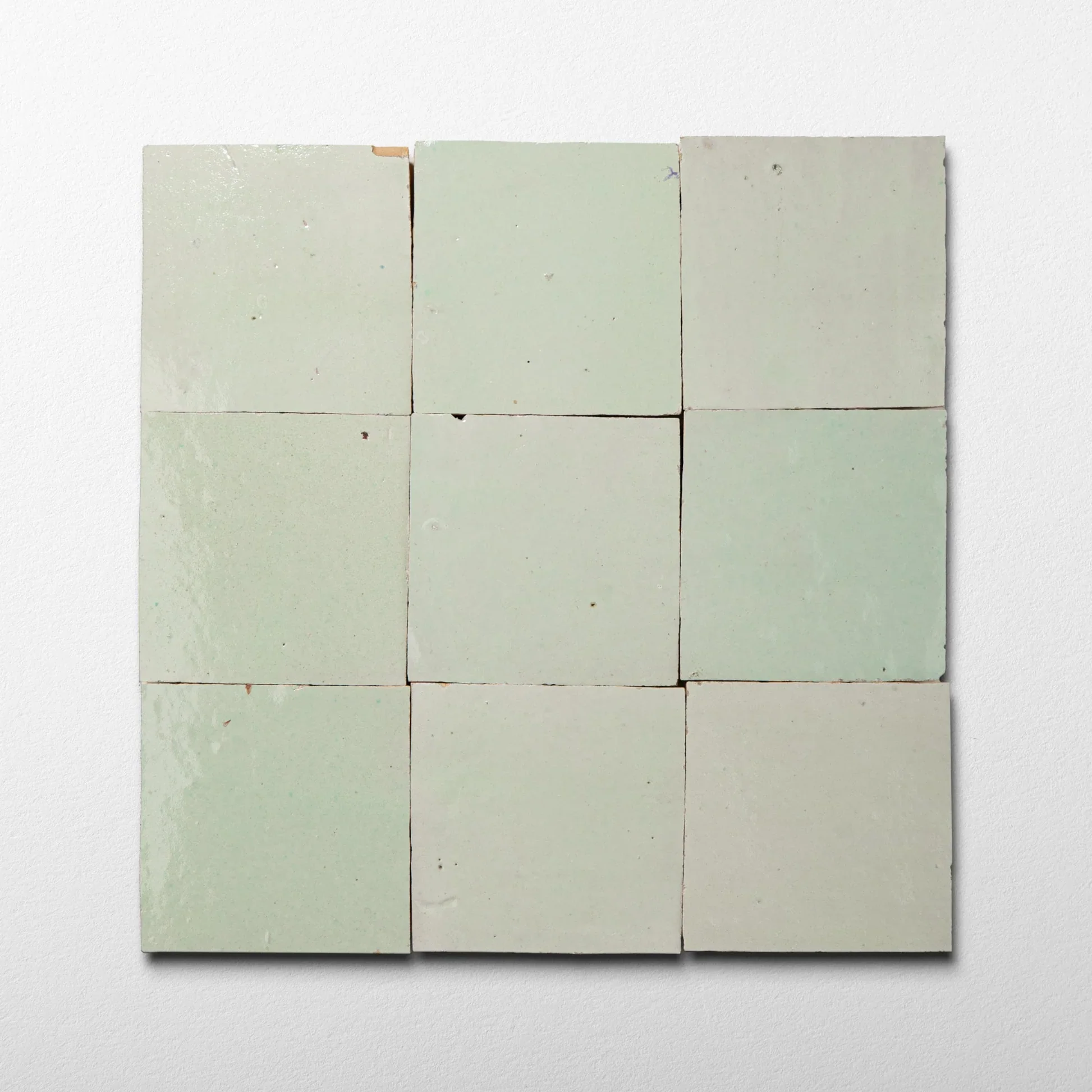
The columns surrounding the common gathering areas presented a similar question. They had to stay. Rather than treating them as obstacles, Erika wrapped them in zellige tile, drawing the eye upward toward the windows and introducing a sense of texture and tension the room had been missing. The columns became architectural moments instead of structural afterthoughts.
Balance and Knowing When to Stop. The original vision for MERiNE was, by Erika's own admission, simply more. More plants, more art, more tile, more layers.
But designing is also knowing when to pull back.
As the project developed, she found herself editing as much as adding, balancing the initial creative ambition against the realities of the space and the budget, and asking what actually served the experience rather than competed with it. A room full of beautiful details can still feel noisy if none of them have room to breathe.
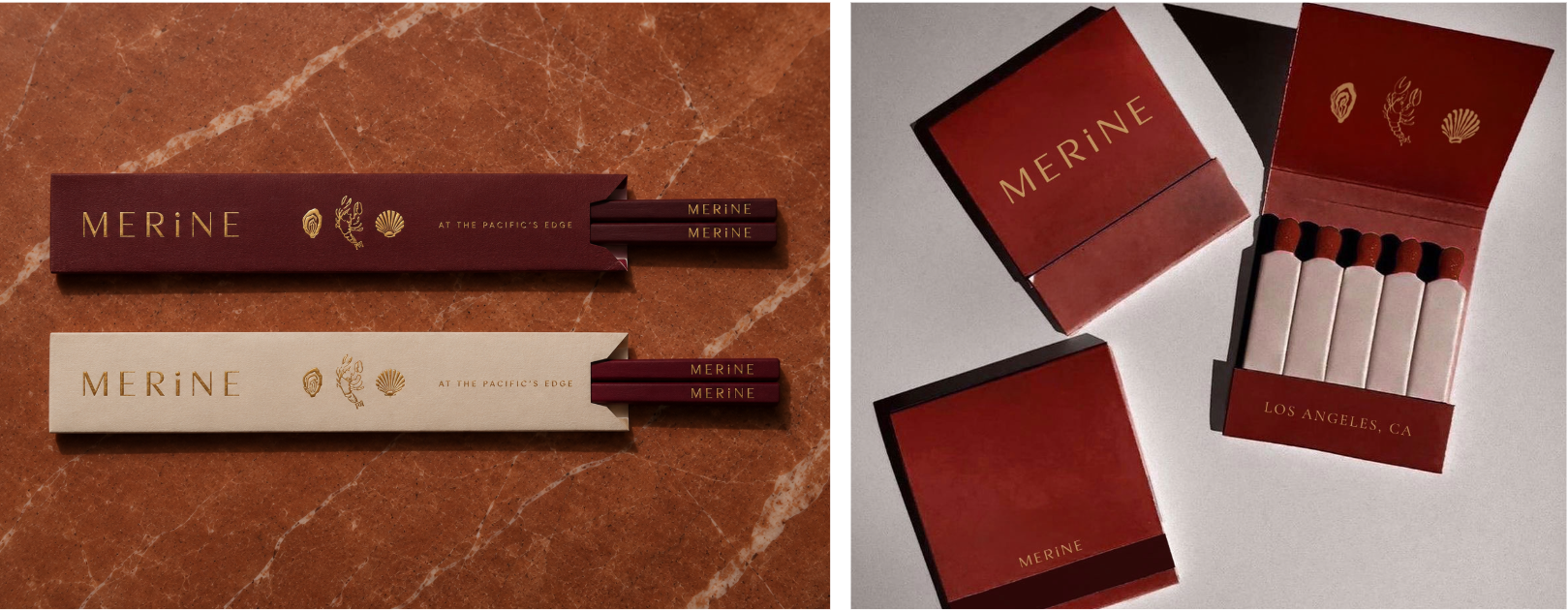
What stayed, in the end, were the details that felt personal rather than decorative. The hand-drawn illustrations on the menus are a good example. The lobster, the oyster, the shell. Erika drew them herself. They are small enough that most guests might not think twice about them, but they are there because she is an artist before she is a designer, and she wanted MERiNE to carry something handmade in a space where nearly everything else was sourced and installed.
That might be the simplest way to describe what making MERiNE has been: finding the places where something personal fits inside something larger, and letting it stay.